Local Customs
The people of Gilgit-Baltistan deeply value their customs and traditions, so visitors are encouraged to respect these practices. This includes dressing modestly, especially in religious or rural areas, and adhering to local etiquette. By being mindful of these customs, travelers can foster positive interactions and help preserve the region’s unique cultural heritage.Gilgit-Baltistan, often referred to as the “Crown of Pakistan,” is a region steeped in rich culture, stunning landscapes, and a diversity of traditions. The local customs in Gilgit-Baltistan reflect the unique blend of ethnic groups, including the Shina, Balti, Wakhi, and Burushaski people, each with their own distinct traditions.

Hospitality
One of the most cherished customs in Gilgit-Baltistan is hospitality. Visitors are treated with great warmth and generosity. The concept of “Mehman Nawazi” (guest hospitality) is central to the culture.
Traditional Clothing
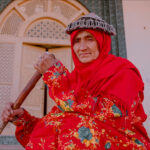
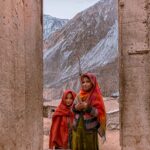
The traditional dress of Gilgit-Baltistan reflects the region’s culture and climate. Men wear the shalwar kameez with a traditional cap, while women wear a shalwar kameez or gharara with a dupatta. Made from locally sourced wool and cotton.
Music and Dance
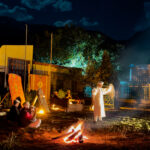
In Gilgit-Baltistan music and dance are not merely festive expressions, but deeply rooted cultural rituals that signify the start of new seasons, life events, and even spiritual transitions.
Respect for Nature
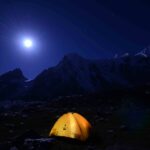
The people of Gilgit-Baltistan have a deep spiritual connection with the land. Many locals believe the mountains are guardians of their communities. A traditional custom is to seek blessings from the local mountain or river before embarking on a long journey or during significant life events.
Community Celebrations
Festivals in Gilgit-Baltistan are a fusion of ancient traditions and Islamic practices. The most famous is Nowruz, the Persian New Year, which is widely celebrated in the Hunza Valley, as well as other parts of the region. It marks the arrival of spring, and people celebrate by wearing their finest clothes, dancing, singing, and enjoying feasts.
Community Life
Life in Gilgit-Baltistan is community-oriented. While the concept of individualism might be less pronounced, there’s a strong sense of belonging and collective responsibility. In many villages, the “Jirga” (council of elders) is an essential institution that resolves disputes, provides guidance, and ensures the well-being of the community.