Religion in Gilgit-Baltistan
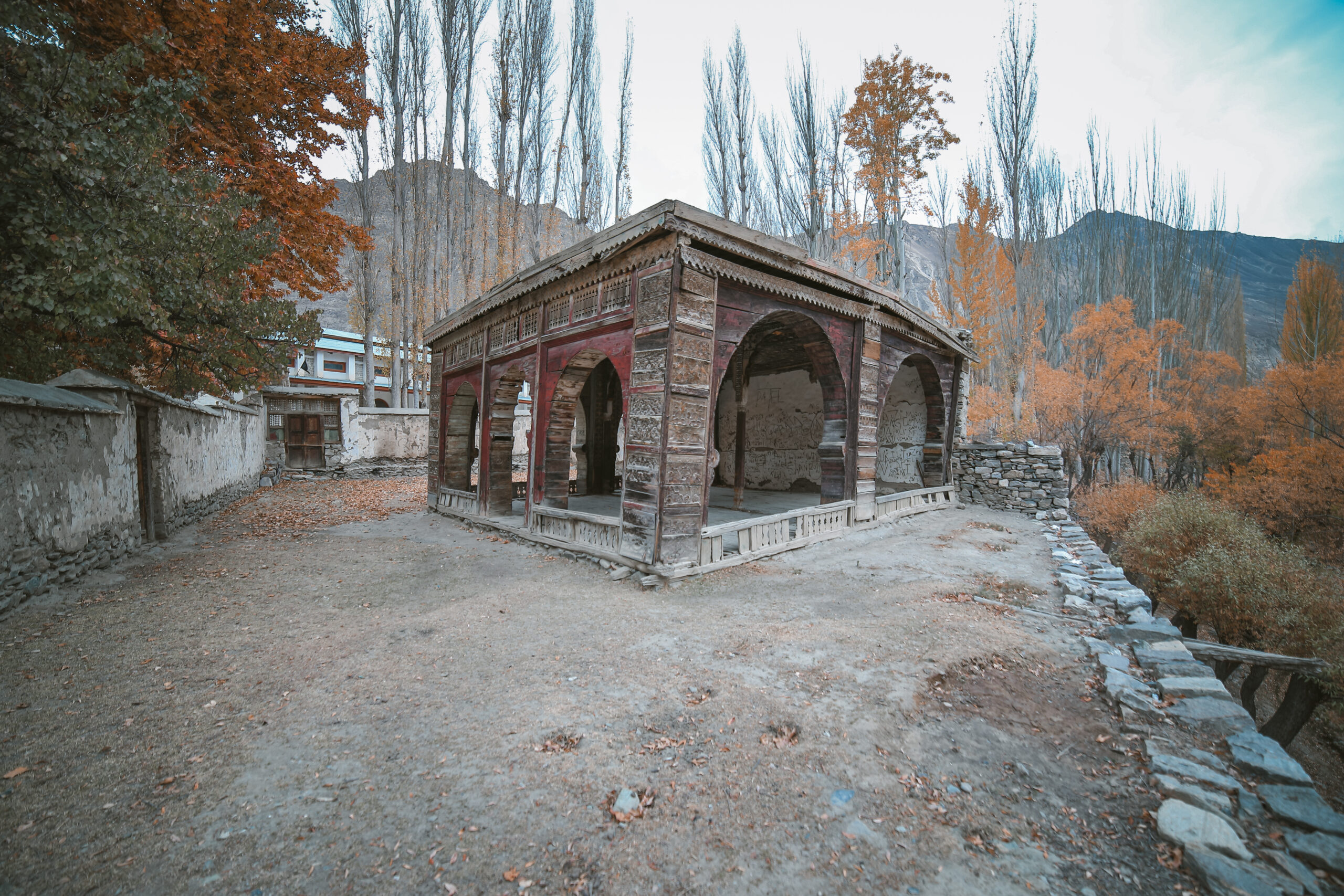
Islam is the dominant religion in Gilgit-Baltistan, and its presence is felt everywhere, from the daily rituals to major festivals. The vast majority of the population in the region follows Shia Islam, specifically Ismailism and Twelver Shia Islam. There are also significant numbers of Sunni Muslims, particularly in areas like Gilgit, and a few smaller communities that follow Ahmadiyya and other Islamic sects.
Sunni Islam
In Gilgit-Baltistan, Sunni Muslims, a significant minority, primarily follow the Hanafi school of thought. They observe core practices like the five daily prayers, fasting during Ramadan, and celebrating festivals such as Eid al-Fitr and Eid al-Adha. These traditions shape their religious practices.
Ismailism (Nizari Shia)
In Gilgit-Baltistan, Ismailism is a prominent Shia sect, especially in Hunza, Gilgit, and Ghizar. Followers of the Aga Khan, the Imam of the Ismaili community, form a close-knit group with a unique identity. They emphasize community service, education, and social development, under the guidance of the Aga Khan’s leadership.
Twelver Shia Islam
Twelver Shia Islam is widely practiced in Baltistan and other northern districts, with strong devotion to the Ahl al-Bayt (family of Prophet Muhammad). Shia Muslims in the region mark Ashura, commemorating Imam Hussain’s martyrdom, with passion through processions, lectures, and community gatherings.
Religious Practices and Rituals
Religion is deeply woven into the daily lives of the people of Gilgit-Baltistan. Prayers (Salat) are performed five times a day, with special attention paid to Friday prayers (Jumma), which often bring the community together. The call to prayer (Adhan) echoes through the mountain valleys, marking the times for daily worship.
Ramadan
Ramadan is observed with deep reverence by both Sunni and Shia Muslims in Gilgit-Baltistan, marked by fasting from dawn to sunset, communal prayers, and Iftar. Special prayers are held during Laylat al-Qadr, the night of destiny. In many villages, the community gathers for prayers and supplications, emphasizing unity.
Eid Celebrations
Eid al-Fitr, marking the end of Ramadan, is a major celebration in Gilgit-Baltistan, celebrated with joy, feasts, and gift exchanges. Similarly, Eid al-Adha honors Prophet Ibrahim’s willingness to sacrifice his son, and families perform Qurbani (animal sacrifice) in obedience to God. These festivals reflect the region’s deep Islamic traditions.
Ashura
In the Baltistan region, Ashura is an especially significant occasion for the Shia Muslims, commemorating the martyrdom of Imam Hussain in the battle of Karbala. This day is marked by processions, mourning rituals, and gatherings to recite elegies and reflect on the sacrifices made by Imam Hussain.