Wild Wonders of
Gilgit-Baltistan
Gilgit-Baltistan isn’t just a place it’s a living story written by snow leopards on mountain peaks, whispered by ancient medicinal herbs in the valleys, and sung by golden eagles in the high-altitude winds. Here, nature doesn’t just survive; it thrives with a wild, untamed magic found nowhere else on Earth.
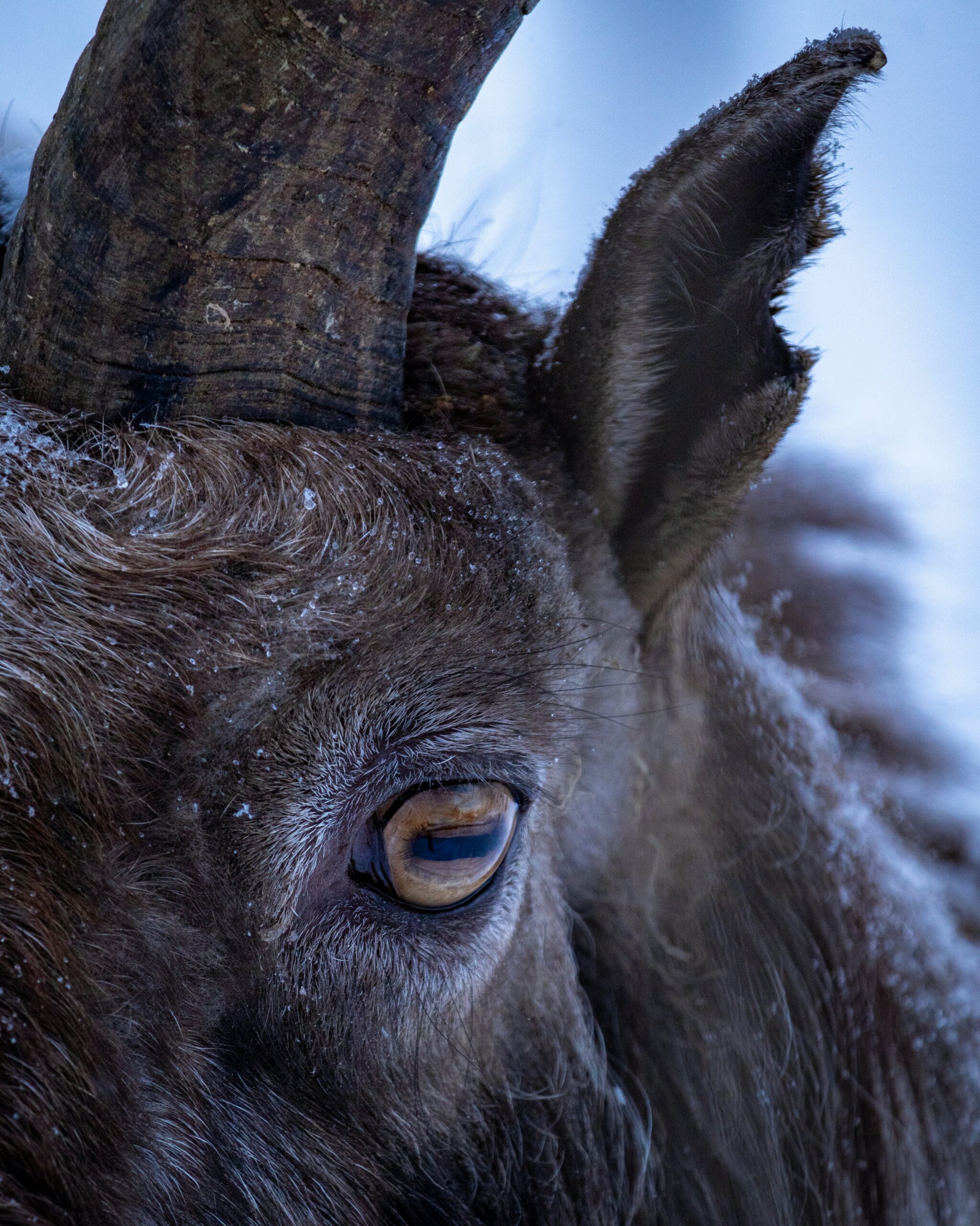
Markhor
In the steep cliffs of Gilgit-Baltistan, the markhor moves with quiet power. Its twisted horns catch the light, a reminder of a wild heritage that runs deep. As Pakistan’s national animal, it carries both strength and a silent plea for protection
Himalayan Lynx
Lynxes in Gilgit-Baltistan live in remote mountain areas like Astore and Baltistan, usually in rocky, forested terrain. They’re shy and rarely seen, but occasional sightings near parks show they’re still around.
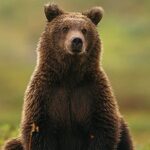
Brown Bear
The Brown Bear of Deosai is one of the rarest and most iconic wildlife species in Pakistan. Found in the vast, high-altitude plains of Deosai National Park, this majestic animal is known for its thick golden-brown furÂ
Snow Leopard
The snow leopard is one of Gilgit-Baltistan’s most iconic animals. It lives high up in the mountains, moving quietly through rocky slopes. Rarely seen, it’s known for its thick fur, long tail, and incredible ability to blend into the snow-covered terrain.
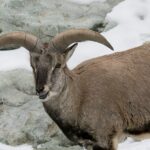
Blue Sheep
Blue sheep, also known as bharal, are found in the high mountains of Gilgit-Baltistan. They have a bluish-grey coat and curved horns, and are often seen grazing on steep slopes. They’re a key prey for snow leopards and blend in perfectly with the rocky terrain.
Golden Marmot
Golden marmots are easy to spot in places like Deosai during summer. They live in burrows, hang out in groups, and give loud whistles when they sense danger. Cute and chubby, they’re a fun part of the high-altitude wildlife in Gilgit-Baltistan.
They say in Gilgit-Baltistan, the mountains hug you back. The air smells of wild thyme and adventure, the rivers sing old shepherd songs, and if you sit quietly, even the snow leopard might wink at you from the cliffs. This is where nature keeps its most precious secrets and always sets an extra place at the table.
Unique Plant Species
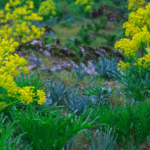
Seabuckthorn
Habitat: Temperate zones (Naltar, Baltistan, Upper Gojal, Gilgit).
Uses: Medicinal applications for burns, eczema, hypertension, and indigestion; rich in vitamins.
Tumuro
Habitat: Abundant in Upper Astore and across Gilgit-Baltistan.
Uses: Similar to Himalayan thyme; used for respiratory and antiseptic purposes.
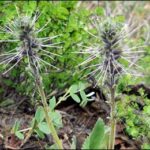
Hing
Habitat: Upper Astore, Bunji, Harcho (Baltistan).
Uses: Used as a spice and in traditional medicine for digestion and anti-flatulence.
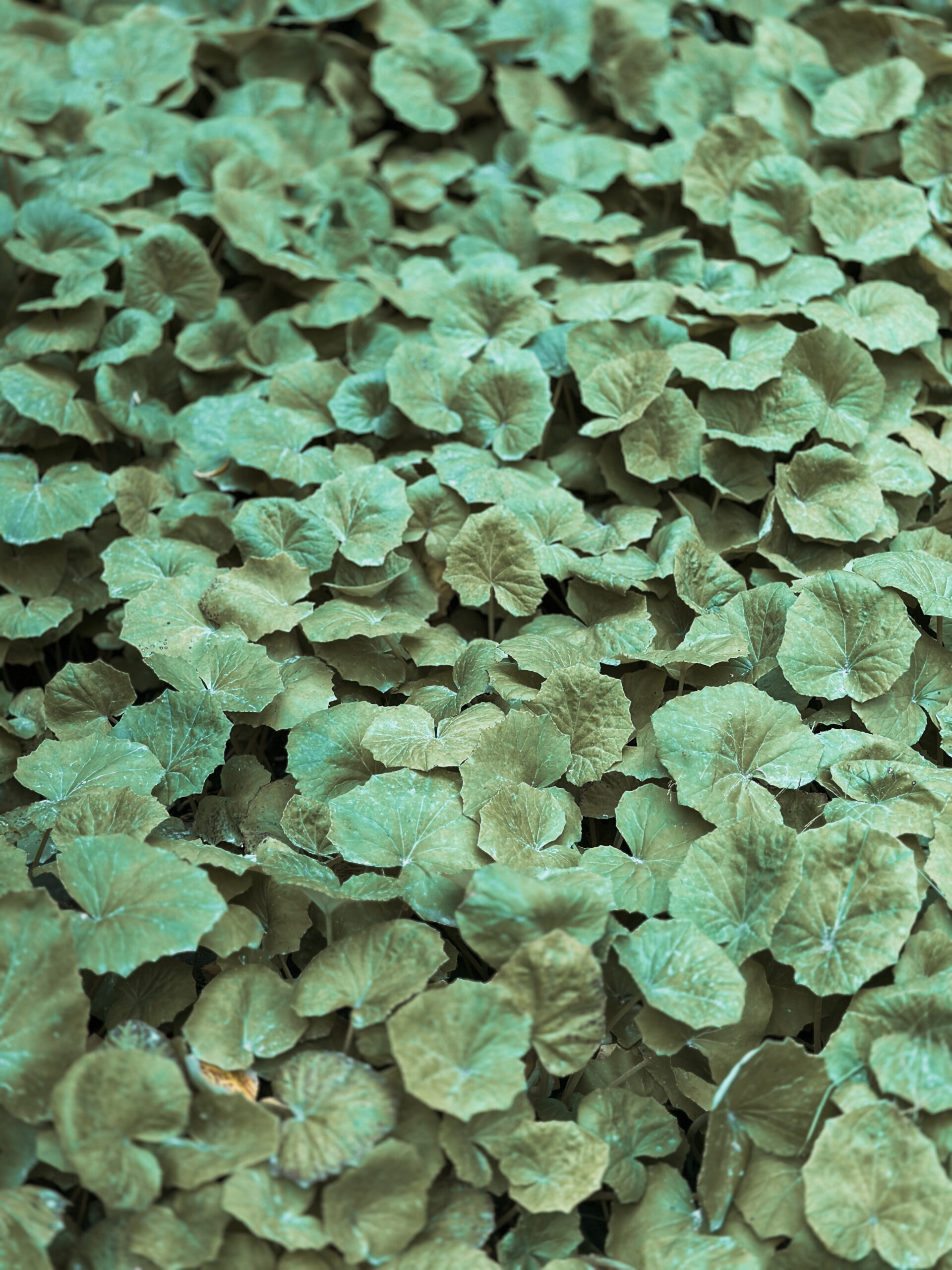
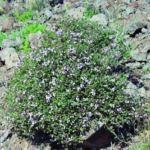
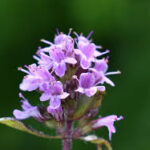
Himalayan Thyme
Habitat: Widespread across the region.
Uses: Treats indigestion, spasms, respiratory disorders; has antiseptic properties.
Katki/Karru
Habitat: Alpine meadows (Kamari Pass, Burzil Pass, Deosai Plateau).
Uses: Key herb in local healing practices; supports liver and digestive health.
Kuth
Habitat: Shady slopes of Astore, Naltar, Minimurg, Kalapani, and Kamari.
Uses: Valued in traditional medicine; roots used for inflammation and pain relief.
Wings Over the Karakoram
Gilgit-Baltistan’s skies tell an extraordinary story where over 360 bird species dance across mountain valleys. From 100 year-round residents like the vibrant western tragopan to 120 migratory travelers on epic journeys, our air thrums with wings. Summer brings 100 seasonal visitors escaping the heat, while winter welcomes 25 cold-weather guests, plus rare vagrants that surprise even seasoned birdwatchers. This avian paradise transforms every glance upward into a discovery.


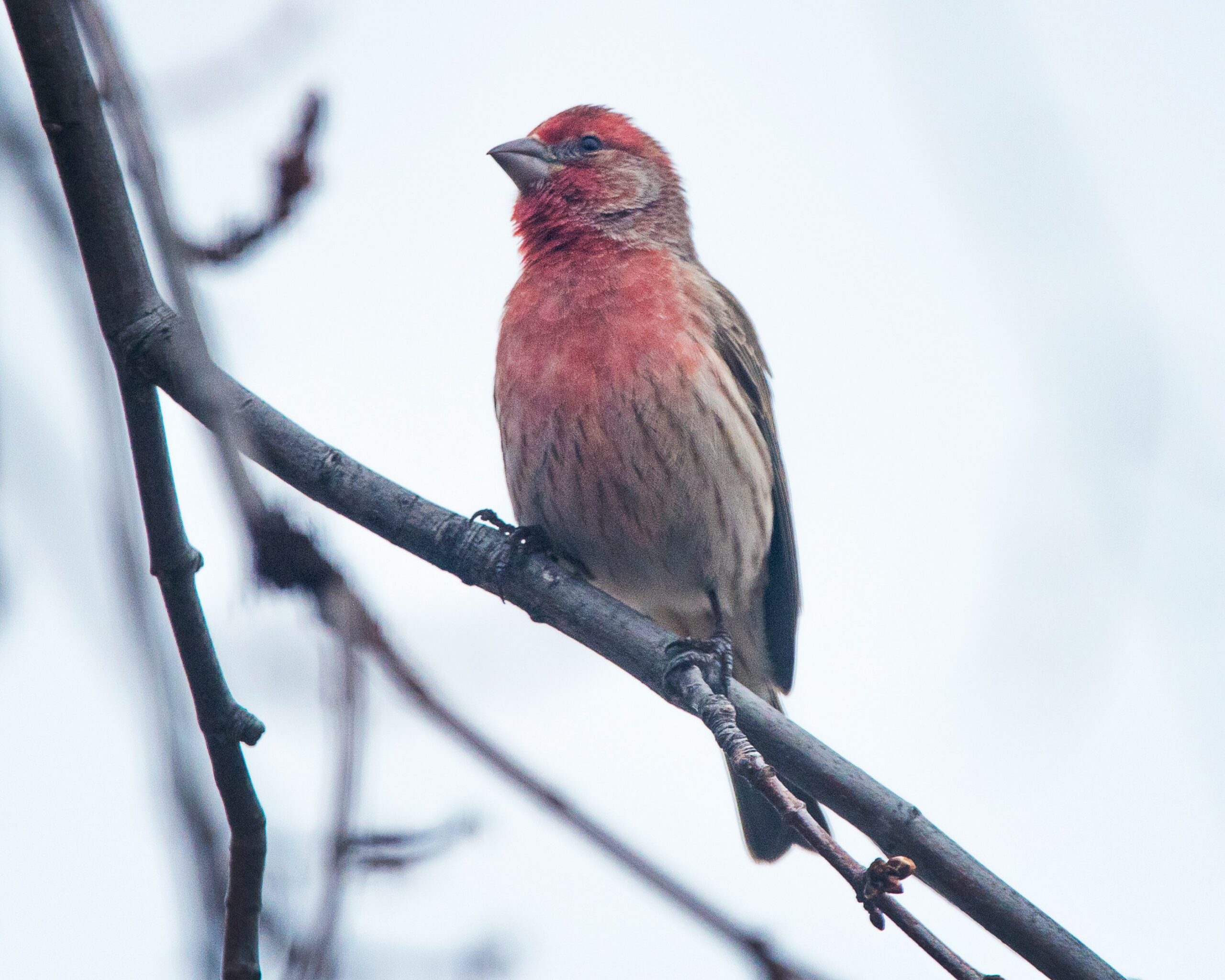
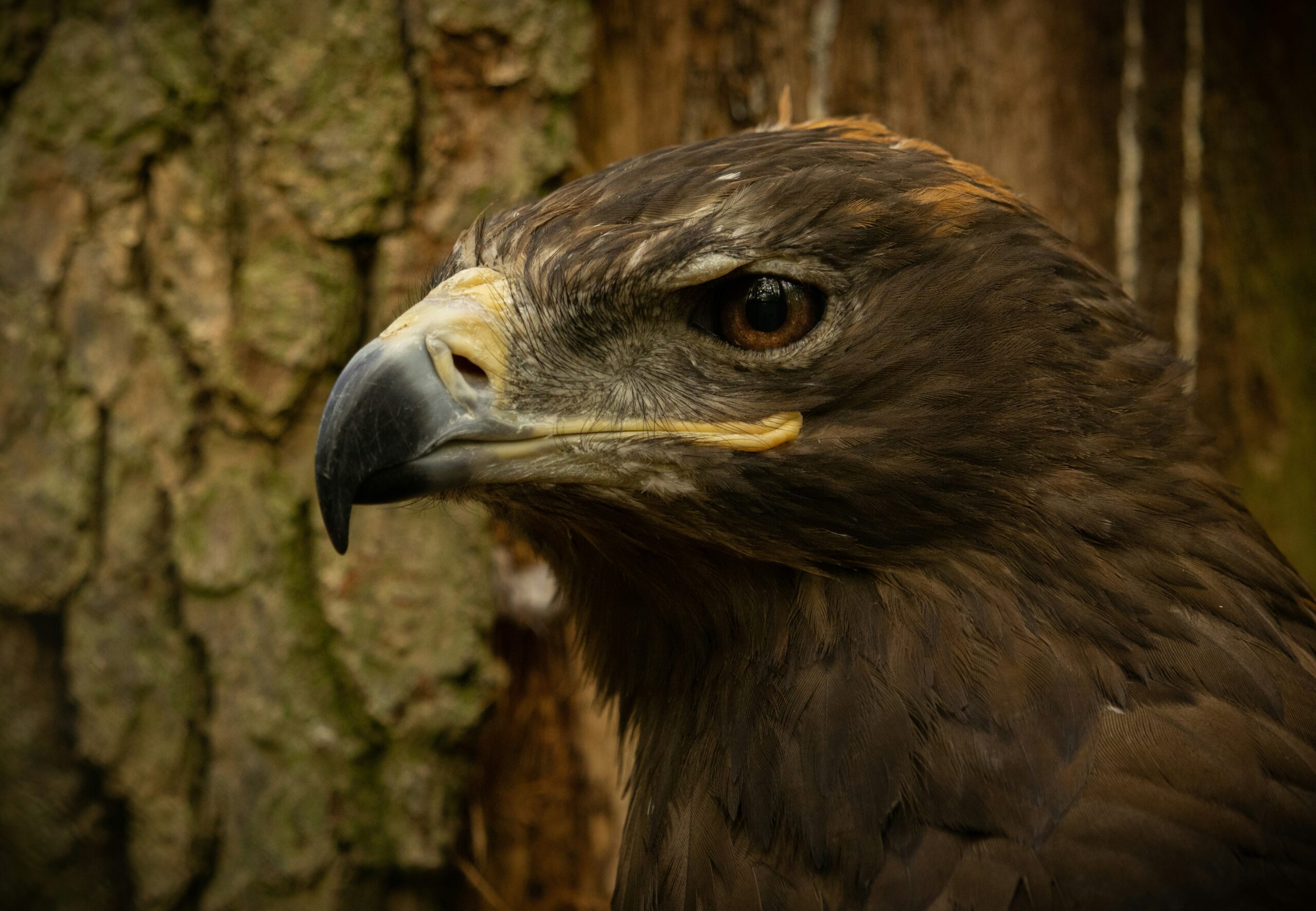
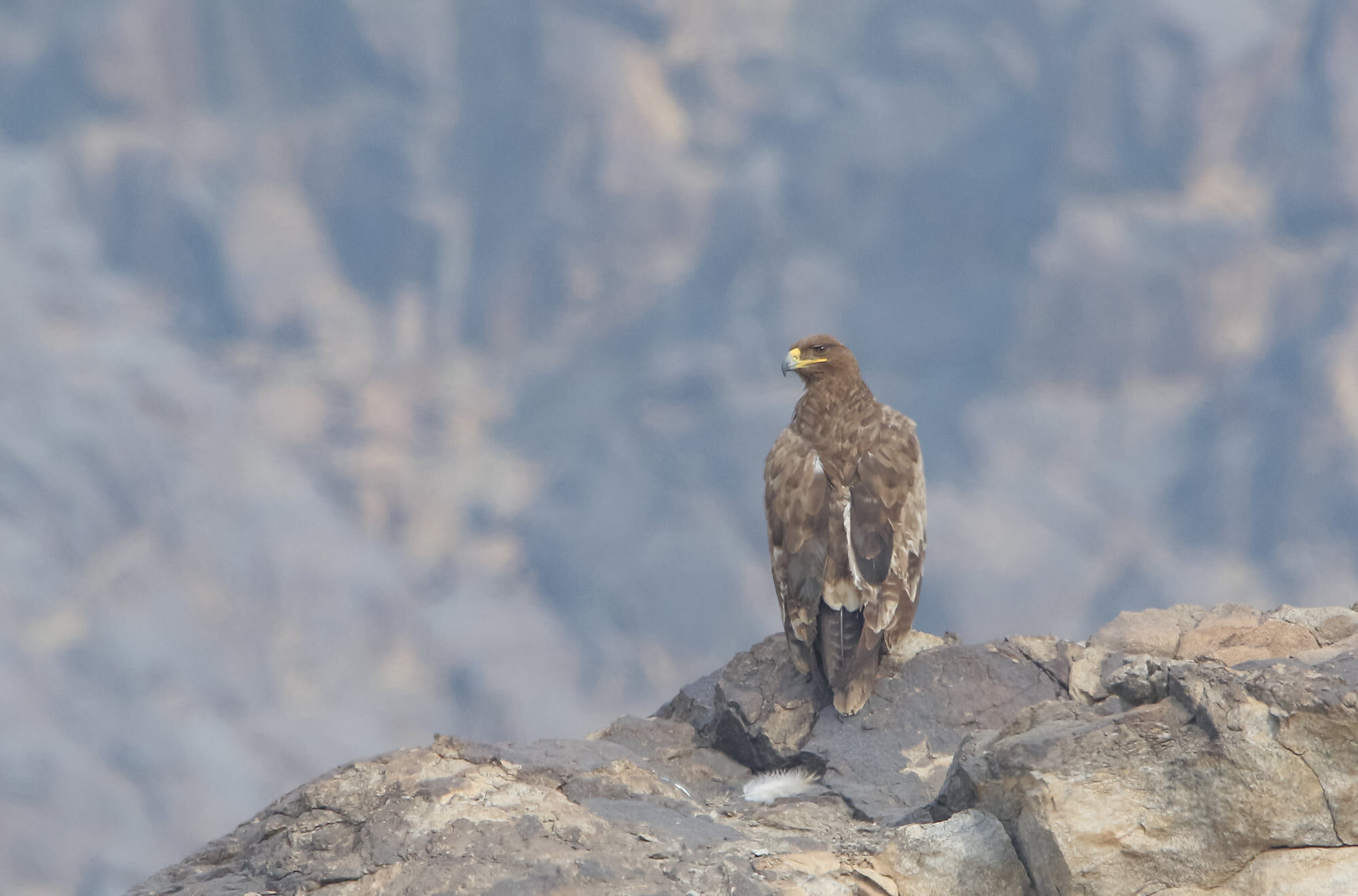
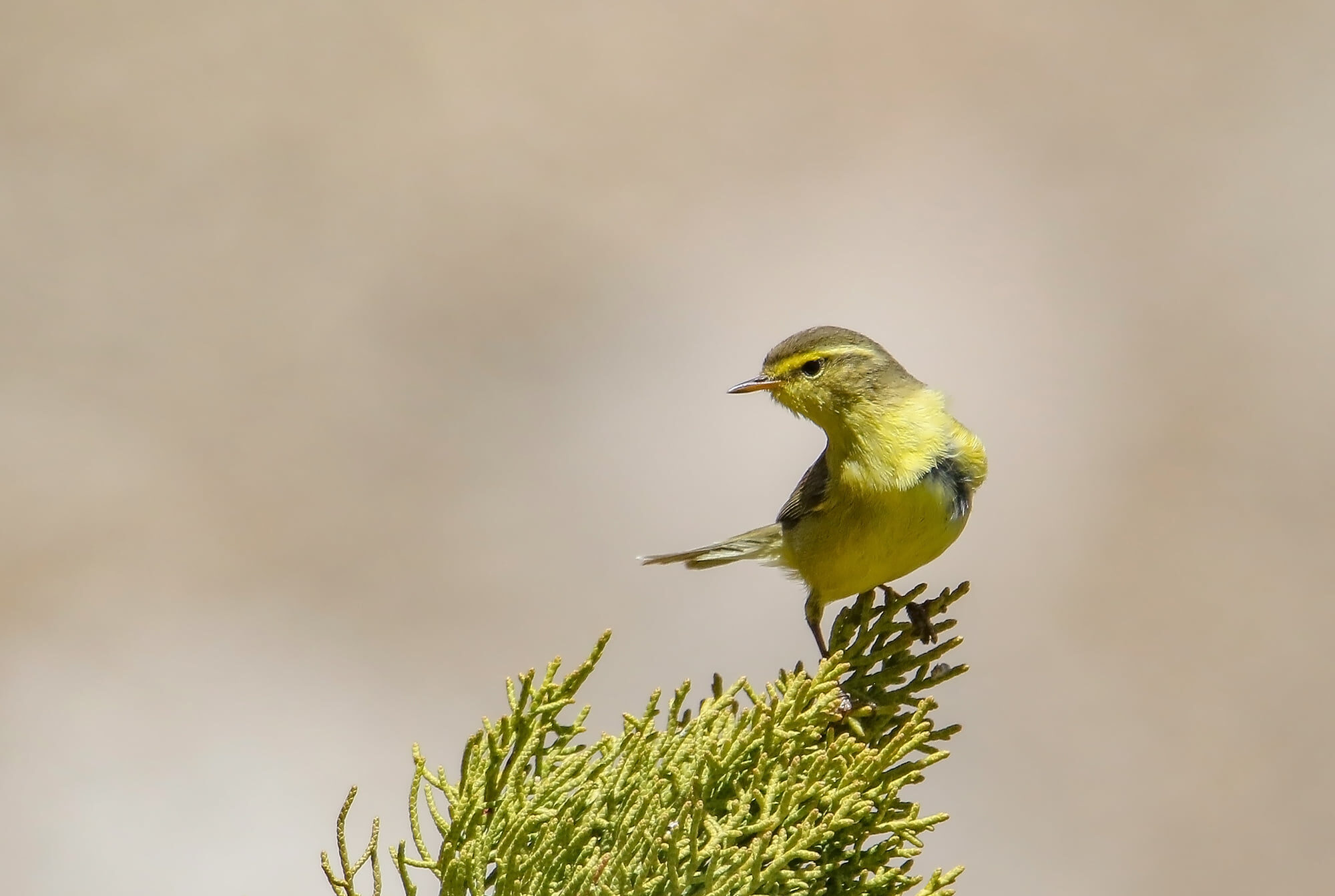
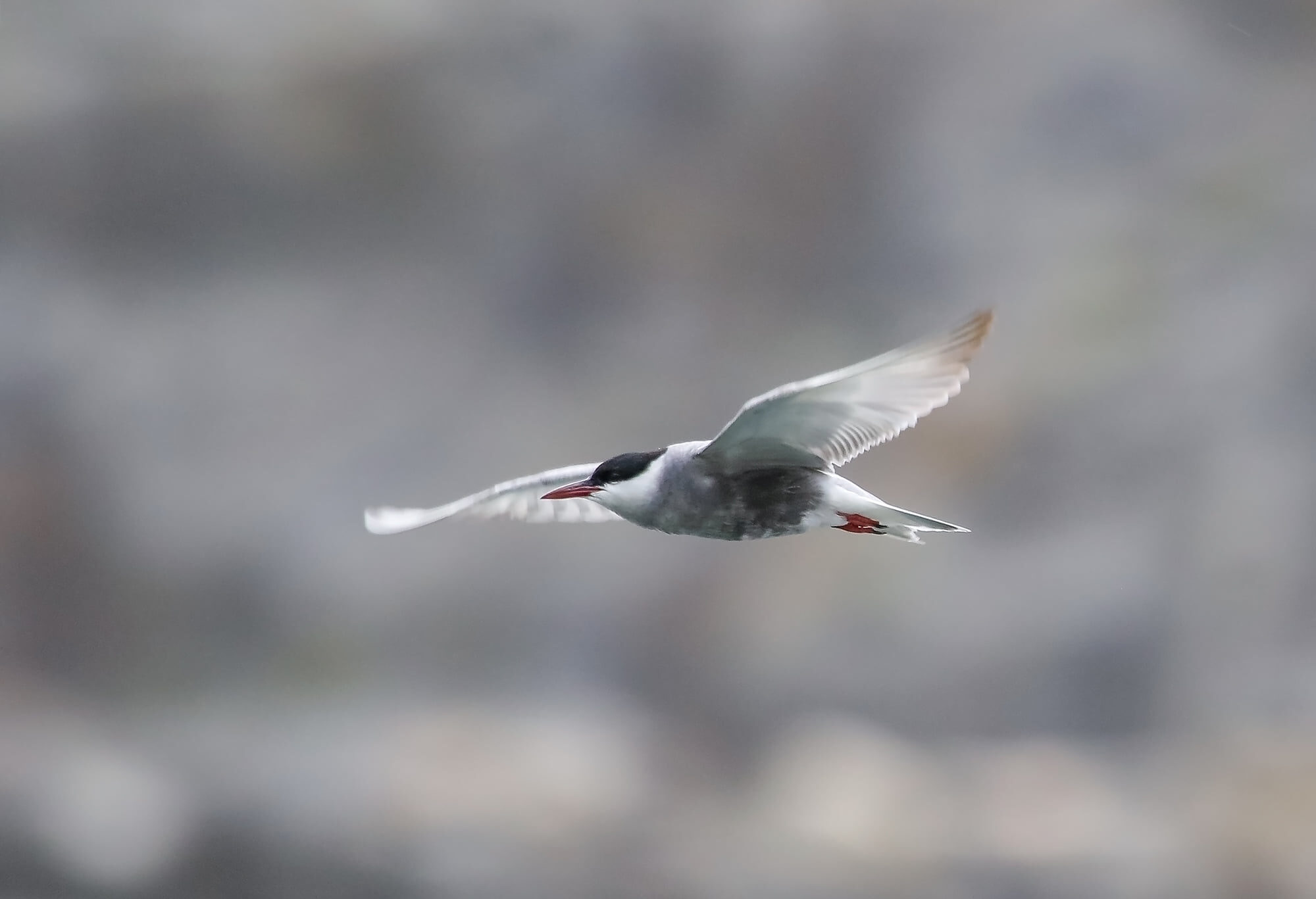
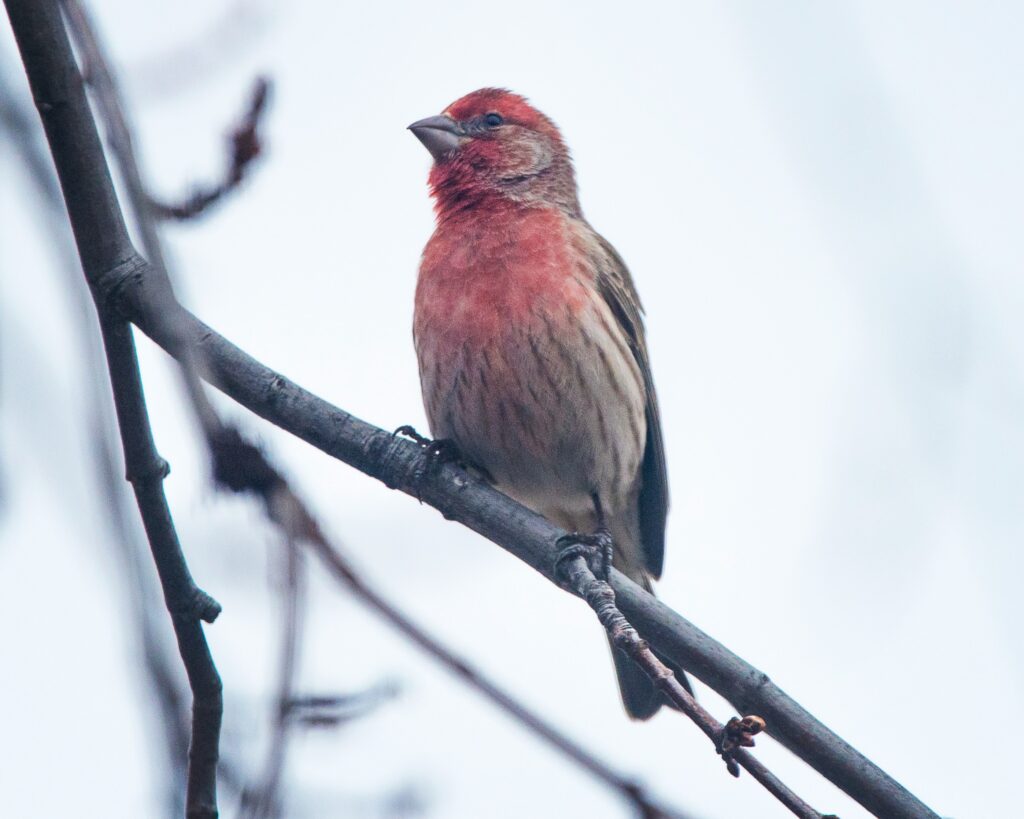
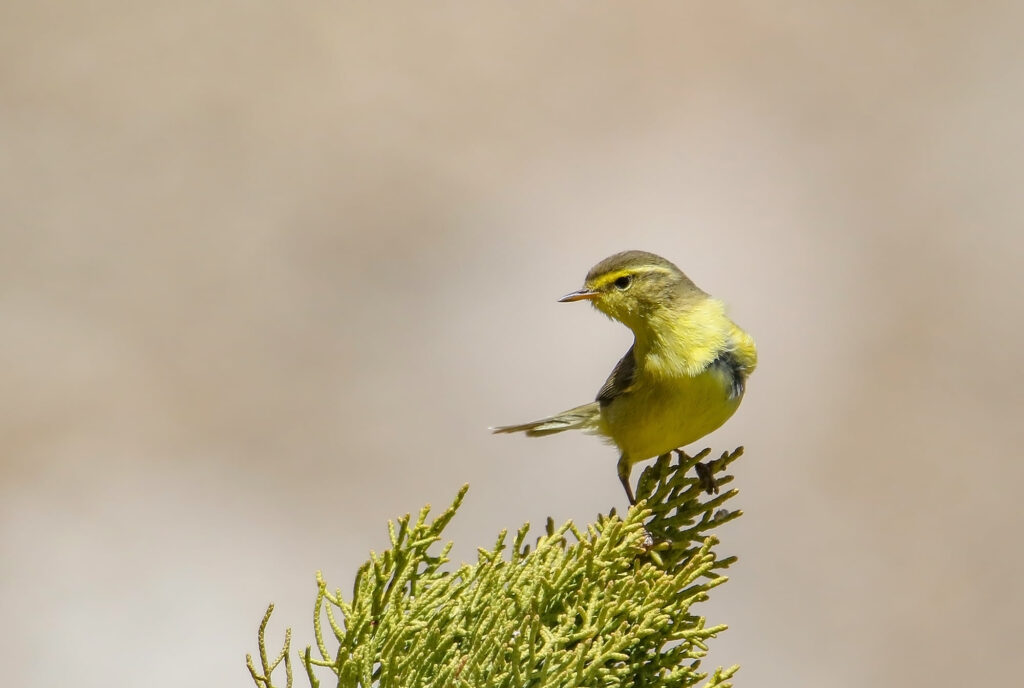
Against the dramatic backdrop of Gilgit-Baltistan’s mountains, nature puts on an unforgettable show: the steppe eagle soars over alpine meadows, rose finches add splashes of crimson to scrublands, Tibetan snowcocks blend seamlessly into rocky slopes, leaf warblers flit through temperate forests, and whiskered terns skim mirror-like glacial lakes. These remarkable birds each thriving in specific ecological zones paint a living portrait of the region’s breathtaking biodiversity.
Endangered Animals
Gilgit-Baltistan is home to rare and remarkable animals like the snow leopard and Himalayan brown bear. But as their habitats shrink, these wild creatures are quietly disappearing. Their survival is deeply tied to the land and to us.
Asiatic Black Bear
Estimated Population 80-110
Brown Bear
Estimated Population
90-120
Blue Sheep
Estimated Population
800-1000
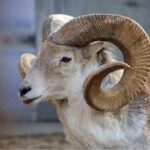
Marco Polo Sheep
Estimated Population 110-150
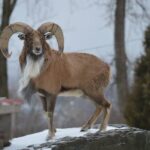
Ladakh Urial
Estimated Population 170-250
Musk Deer
Estimated Population 150 200